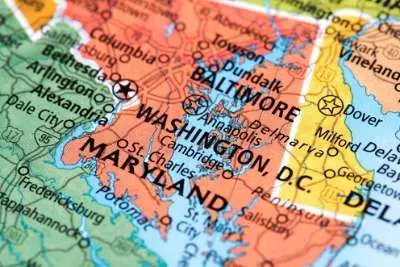
Maryland Real Estate: A Complete Guide to Buying and Selling

Navigating the real estate market in Maryland requires understanding the unique processes, regulations, and considerations that apply to both buyers and sellers in the Old Line State. Whether you're purchasing your first home in Baltimore, selling a property in Montgomery County, or investing in the growing markets around Annapolis, this guide will walk you through everything you need to know.
The Maryland Buying Process
1. Get Pre-Approved for a Mortgage
Before you start house hunting, getting pre-approved for a mortgage gives you a clear picture of your budget and shows sellers you're a serious buyer. Maryland lenders will evaluate your credit score, income, debt-to-income ratio, and employment history. This step is particularly important in Maryland's competitive markets where multiple offers are common.
2. Find a Real Estate Agent
Working with a licensed Maryland real estate agent who knows the local market is invaluable. They'll help you navigate neighborhood nuances, understand pricing trends, and identify properties that meet your needs. Maryland agents are familiar with state-specific requirements and can guide you through the unique aspects of purchasing property here.
3. Search for Your Home
Maryland offers diverse housing options, from historic rowhomes in Baltimore to waterfront properties along the Chesapeake Bay and suburban communities near Washington, D.C. Consider factors like school districts, commute times, property taxes (which vary significantly by county), and future development plans in the area.
4. Make an Offer
When you find the right property, your agent will help you craft a competitive offer. In Maryland, the standard purchase agreement is the Maryland Association of Realtors (MAR) Contract of Sale. Your offer will include the purchase price, earnest money deposit (typically 1-3% of the purchase price), contingencies, and your proposed settlement date.
5. Home Inspection and Appraisal
Maryland law doesn't require a home inspection, but it's highly recommended. A thorough inspection can uncover issues with the roof, foundation, HVAC, plumbing, electrical systems, and more. Your lender will also require an appraisal to ensure the property's value supports the loan amount.
6. Secure Financing
Once your offer is accepted, you'll work with your lender to finalize your mortgage. This involves providing documentation, locking in your interest rate, and obtaining title insurance. Maryland requires both lender's title insurance and owner's title insurance, which protects against claims on the property's title.
7. Final Walk-Through and Settlement
In Maryland, the closing process is called "settlement" and typically takes place at a title company or attorney's office. Maryland is an attorney state for real estate transactions, though not all transactions require an attorney to be present. Before settlement, you'll do a final walk-through to ensure the property is in the agreed-upon condition.
At settlement, you'll sign numerous documents, pay closing costs (typically 2-5% of the purchase price), and receive the keys to your new home. Maryland has specific settlement procedures, including the use of a settlement attorney or title company to facilitate the transaction.
The Maryland Selling Process
1. Prepare Your Home
First impressions matter. Consider making repairs, decluttering, deep cleaning, and possibly staging your home. In Maryland's competitive markets, well-presented homes often sell faster and for higher prices. You might also want to address any deferred maintenance, particularly items that commonly appear on inspection reports.
2. Price Your Home Correctly
Work with your real estate agent to conduct a comparative market analysis (CMA) based on recent sales of similar properties in your area. Maryland's diverse markets mean pricing strategies vary significantly. A Baltimore City rowhome requires different considerations than a single-family home in Howard County or a waterfront property on the Eastern Shore.
3. List Your Home
Your agent will list your property on the Multiple Listing Service (MLS) and market it through various channels. Professional photography, virtual tours, and compelling descriptions are essential in Maryland's digital-first market. Your agent will also coordinate showings and open houses.
4. Review and Negotiate Offers
When offers come in, you'll review them with your agent, considering not just the price but also contingencies, financing terms, proposed settlement dates, and the buyer's ability to close. In a seller's market, you might receive multiple offers and have the opportunity to negotiate favorable terms.
5. Accept an Offer and Enter the Contract Period
Once you accept an offer, the buyer will typically have a period for home inspections and financing contingencies. Be prepared to negotiate repairs or provide credits based on inspection findings. Maryland sellers must complete a Residential Property Disclosure and Disclaimer Statement, which requires you to disclose known material defects.
6. Navigate the Settlement Process
Work with your agent and settlement attorney to address any contingencies, respond to inspection requests, and prepare for settlement. You'll need to provide documentation like HOA information (if applicable), utility bills, and warranties for appliances or systems.
7. Settlement Day
At settlement, you'll sign the deed transferring ownership, pay off any existing mortgages, pay real estate commissions (typically 5-6% of the sale price, split between buyer's and seller's agents), and receive your proceeds. Maryland requires sellers to obtain a Certificate of Release for the state transfer tax.
Maryland-Specific Considerations
Transfer and Recordation Taxes
Maryland has both state and local transfer and recordation taxes that vary by county. These are typically split between buyer and seller, though this can be negotiated. The combined rate can range from 1% to 3% or more depending on your location.
Property Disclosures
Maryland requires sellers to complete specific disclosure forms about the property's condition, including information about the roof, HVAC, water heater, structural issues, environmental hazards, and homeowners association rules.
Settlement Attorneys
While not absolutely required for all transactions, many Maryland real estate transactions involve attorneys, particularly for settlement. Having legal representation can help ensure all documents are properly executed and your interests are protected.
Well and Septic Inspections
For properties with wells or septic systems, Maryland requires specific inspections and certifications before settlement can occur.
Final Thoughts
Whether you're buying or selling real estate in Maryland, understanding the state's unique requirements and market conditions will help ensure a smoother transaction. Working with experienced local professionals including real estate agents, lenders, inspectors, and settlement attorneys is essential to navigating the process successfully.
The Maryland real estate market offers tremendous opportunities, from the bustling urban centers to peaceful rural communities. With proper preparation and the right team supporting you, your real estate transaction can be a positive and rewarding experience.
Categories